Serials
Overview
Serial numbers are allocated to almost all military aircraft as a means of identifying individual airframes. Each aircraft has to be uniquely identifiable by its operator so that good maintenance records can be kept in order to even out flying hours amongst the fleet, keep airframes updated with the latest modifications, and schedule the minor and major servicings required and so on.
Some air arms (e.g. France's Armee de l'Air) utilise the aircraft's previous identity or manufactures construction/line number as a means of identity. This can produce a rather haphazard collection of serial numbers with many duplicates, but works nonetheless. The U.S. Navy are currently using perhaps the most straightforward system, where they started at 00001 and worked their way upwards. Many air forces use an alpha-numeric combination in various formats, often grouping types by prefix.
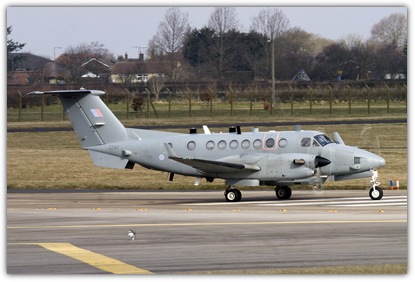
However the U.K. is currently using a system of 2 letters followed by 3 digits that began in 1940 with AA100. Certain letters are generally not used as they look too similar to others, and some letter combinations are not used for a variety of reasons. The numeric part of the serial was traditionally between 100 and 999, but in recent years they have started at 001 in order to get more use out of the current system. "Broken Blocks" (NOTE, NOT the often mis-quoted "Blackout Blocks") were incorporated into serial batches in order to disguise the true quantities of aircraft ordered or in service, but this practice has now ceased, however serial numbers are being allocated to even more simulators, again this is to allow maintenance records on these high-tech training devices to be kept up-to-date.
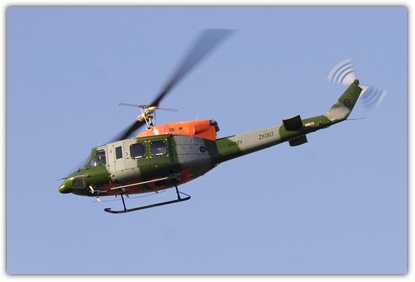
Today the aircraft serial numbers are usually worn externally in 2 locations,
either side of the fuselage, however in some cases aircraft design means that
these serials are worn elsewhere (Apache fin for example). Until recent years under wing serials were also worn,
but this is much rarer now. The serial numbers themselves are written in a definite
manner with a fixed ratio of height to width, and a particular "font",
in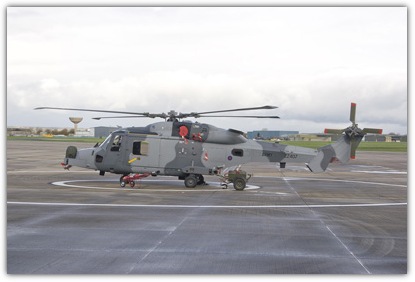 order to avoid confusion with other characters.
Even after an aircraft has finished its useful operational life, it can often find a role with training or maintenance units. All three U.K. air arms used a different system of identifying these maintenance airframes, the RAF used "M" numbers (a numeric field followed by the letter M), Fleet Air Arm airframes used "A" numbers (the letter A followed by a numeric field), whilst the Army Air Corps used "TAD" numbers (the letters TAD followed by a numeric field, often the last 3 digits of the aircraft's previous serial number). These maintenance allocations have now been discontinued.
Examples of the style of serial number presentation and format are shown below :-


